
Sprung Wood Floors for Dance: Comfort, Safety, and Performance Combined
Sprung wood floors are the foundation of a safe and high-performing dance environment. Engineered with advanced shock absorption and a resilient hardwood surface, these floors minimize the risk of injury while supporting precise movement and lasting comfort. On this page, you will find clear insights into how sprung wood floors combine durability, safety, and optimal performance—making them the preferred choice for dance studios, schools, and multipurpose venues focused on dancer wellbeing and long-term value.
Why Choose Sprung Wood Floors for Dance
Selecting the right dance flooring is a critical decision for any venue, school, or studio. Sprung wood floors for dance are engineered to address the unique needs of dancers and facility owners alike—offering a surface that minimizes injury risk, ensures consistent performance, and stands up to years of intensive use. With solutions designed for both permanent installations and temporary events, Junckers delivers sprung wood floors that combine technical excellence with practical benefits for every user group.
How Sprung Wood Floors Enhance Dancer Safety and Comfort
Sprung wood floors for dance are built on a foundation of advanced shock absorption and resilience. This specialized construction reduces the impact forces transmitted to dancers’ bodies during jumps and dynamic movements, significantly lowering the risk of injuries such as sprains, joint pain, and stress fractures. The responsive surface provides the right balance of grip and slip, supporting sharp movements while preventing slips or falls. Junckers’ floors are thoroughly tested and certified to EN 14904 standards, so you can be confident in the health and wellbeing of every dancer using your facility.
Performance and Durability You Can Trust
Junckers’ sprung wood floors for dance are manufactured from solid 22 mm hardwood, ensuring exceptional strength and long-term durability. Each floor is available in several wood species—including beech, ash, and maple—and comes in a range of surface finishes to match your space and maintenance requirements. The robust construction stands up to repetitive movement and heavy use, while the ability to sand and refinish extends the floor’s lifespan even further. For venues requiring a permanent solution, the UnoBat 78+ sports flooring system delivers proven, EN 14904 certified performance, making it a reliable investment for venues that demand quality and longevity.
Versatility to Suit Every Venue and Dance Style
Whether you manage a dedicated dance studio, a sports hall, a multipurpose space, or a touring performance group, Junckers offers sprung wood floors for dance to match your needs:
- Fixed floor systems for permanent spaces, such as DuoBat 120+, UnoBat 78+, and others, with various construction heights for new builds and refurbishments.
- Portable floor systems like Pro Complete 44 and portable dance floors for professionals, designed for fast setup and repeated use at temporary events.
- Multiple wood species and grades to suit different aesthetic and functional requirements.
- Suitable for all major dance styles, including ballet, contemporary, jazz, hip hop, and ballroom.
- Ideal for fitness classes and multipurpose use.
Sustainable Quality and Certified Solutions
Sustainability is a cornerstone of Junckers’ manufacturing philosophy. All sprung wood floors for dance are crafted from 100% solid hardwood with full utilization of raw materials, minimizing waste. Floors can be supplied with FSC certification and have supporting documentation such as Environmental Product Declarations (EPD) and compliance with EN 14904. Low-emission finishes contribute to a safe indoor climate, helping you meet environmental goals without compromising on performance.
Real-World Results: Projects and Client Success Stories
Across schools, dance institutions, and multipurpose venues, Junckers sprung wood floors for dance deliver measurable results. For example, the Building Block Dance Studio project showcases the long-term performance and versatility of Junckers’ flooring in a professional environment. Other institutions, such as Dansestudie.dk, have benefited from the reliability and comfort provided by Junckers sprung wood flooring, contributing to reduced dancer fatigue and enhanced satisfaction.
Compare Junckers Sprung Wood Dance Floor Systems
Junckers offers a comprehensive selection of sprung wood floors for dance, each designed for specific applications:
- Fixed systems:
- DuoBat 120+: Maximum shock absorption, ideal for high-performance venues.
- UnoBat 78+, UnoBat 62+, UnoBat 53/68/80, UnoBat 45/50, Clip System: Range of construction heights and subfloor solutions for new builds or refurbishments.
- Portable systems:
- Pro Complete 44 portable sports flooring: Fast installation and removal, robust for repeated use.
- Portable sports floor solutions: Lightweight panels, easy transport, and customizable markings.
All systems are available in a choice of wood species and surface finishes, with full technical documentation and compliance certificates on request.
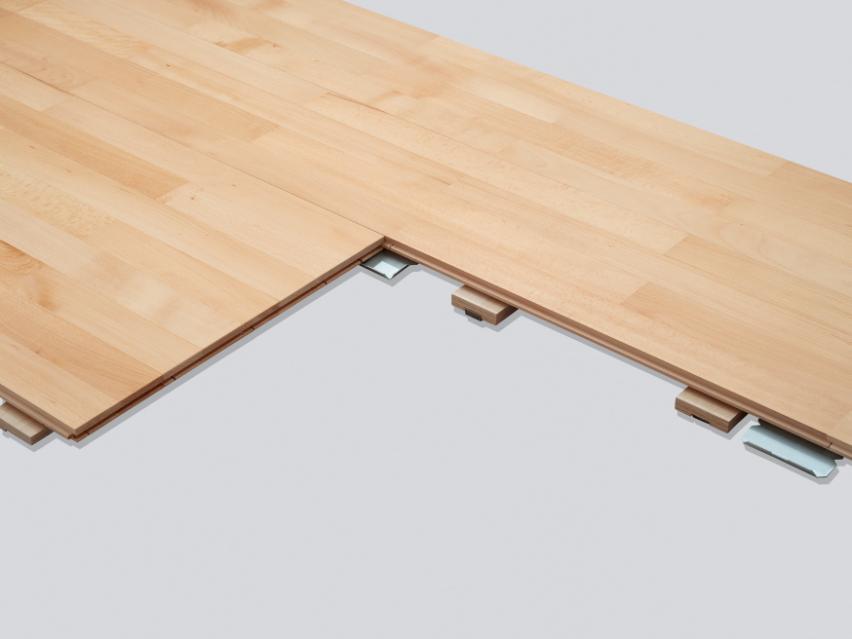
PRO COMPLETE 44 | PORTABLE FLOORS
Construction height 1 ¾”
Preassembled panels with pre-attached sleepers
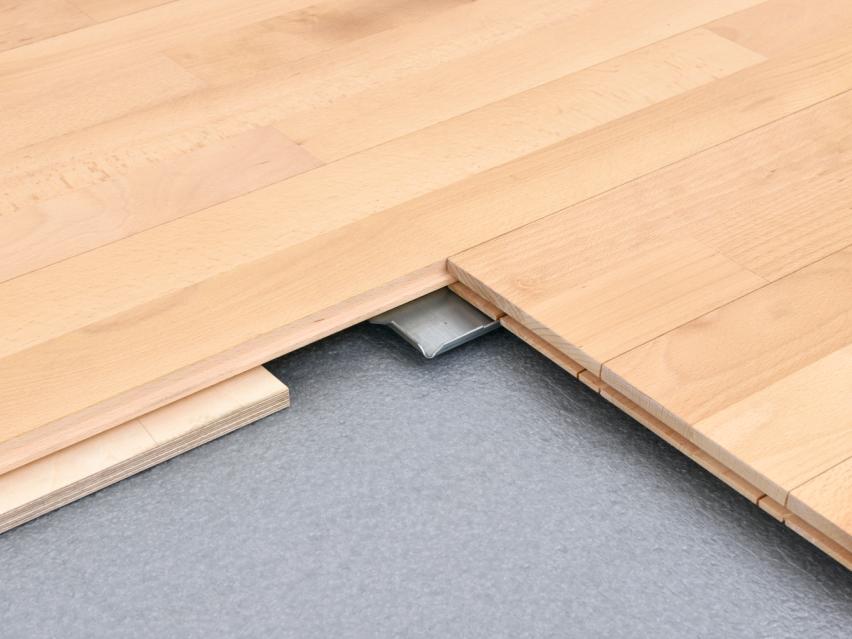
ARENA MASTER | PORTABLE FLOORS
Floor System Thickness: 1 7/8” (49 mm)
Plywood-enforced - Portable Sports Flooring
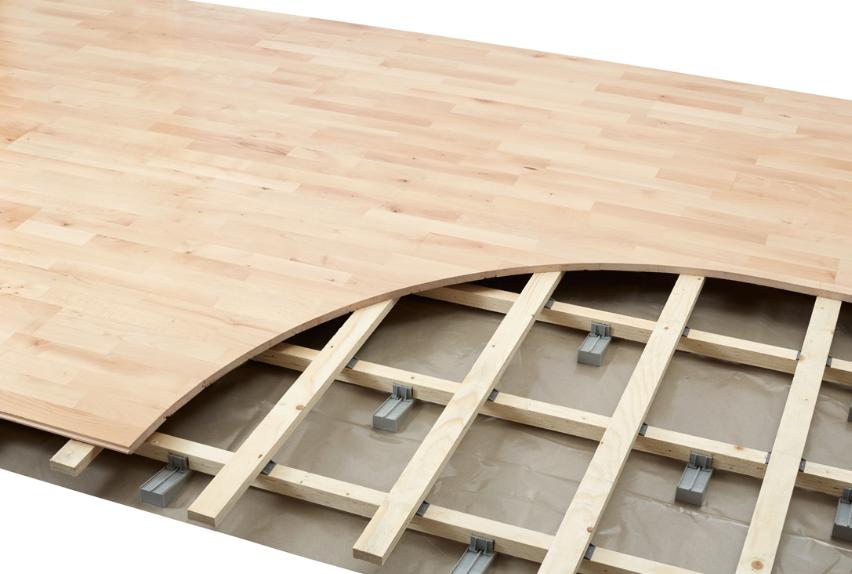
DUOBAT 120+ | SPORTS FLOORING
Sleeper system for flat/irregular
subfloors
System thickness 4 3/4” - 9 1/2"
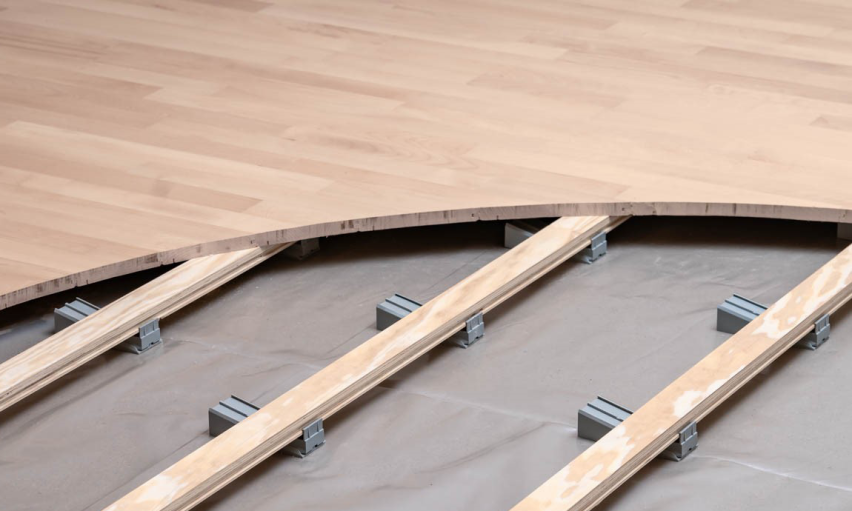
DUOBAT 78+ | SPORTS FLOORING
Sleeper system for flat/irregular
subfloors
System thickness 3 ⁵/₆₄" - 8 ⁵/₆₄"
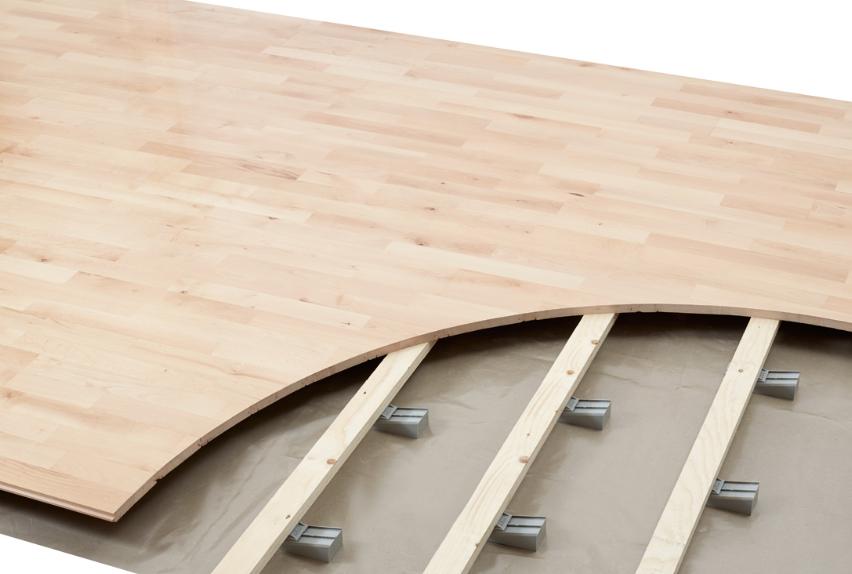
UNOBAT 62+ | SPORTS FLOORING
Sleeper system for flat/irregular
subfloors
System thickness 2 3/8” - 8 1/4"
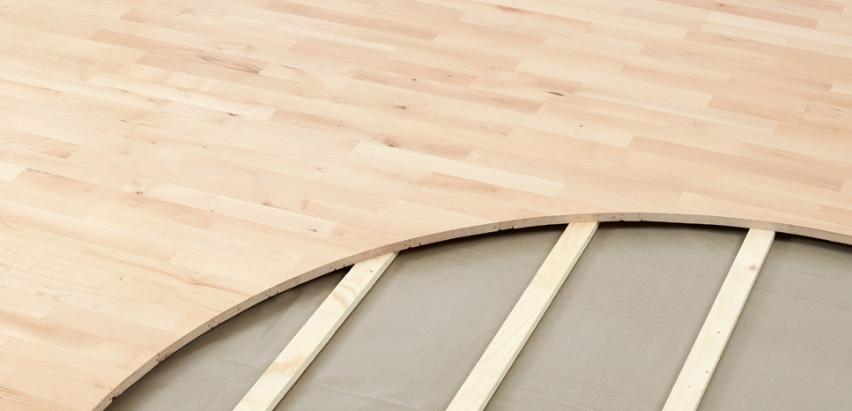
UNOBAT 50 | SPORTS FLOORING
Construction height from 2"
Batten system for even subfloors
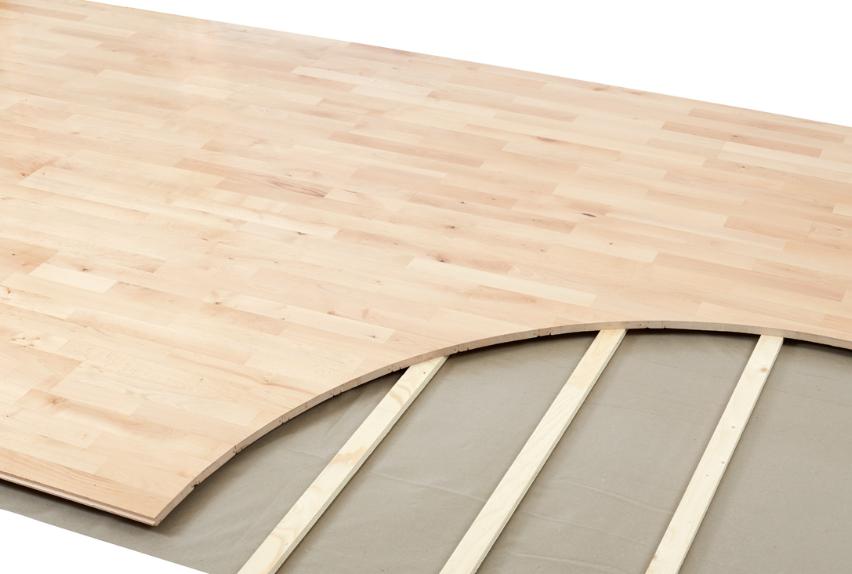
UNOBAT 45 | SPORTS FLOORING
Sleeper system for flat subfloors
System thickness 1 3/4”
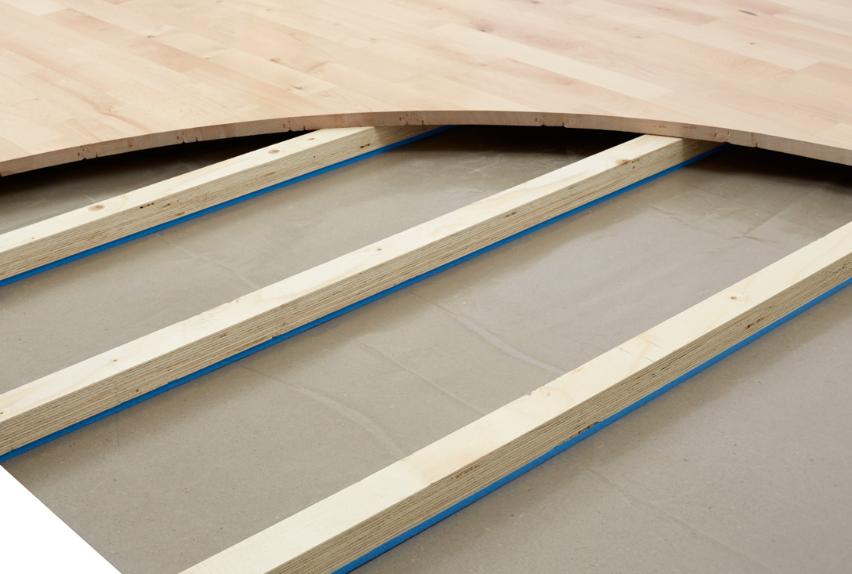
UNOBAT 53-68-80 | SPORTS FLOORING
Sleeper system for flat subfloors
System thickness 2 3/32”, 2 43/64”, 3 5/32”
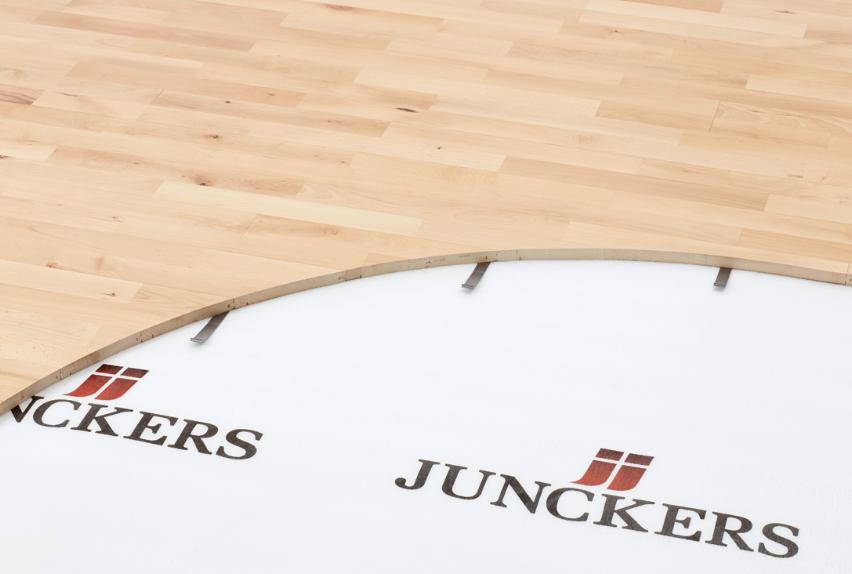
CLIP | SPORTS FLOORING
Floating Floor System
System thickness 1 1/4"
Frequently Asked Questions About Sprung Wood Floors for Dance
What Makes a Floor “Sprung” and Why Is It Important for Dance? add
A sprung floor is built with a resilient understructure that absorbs shocks and returns energy, protecting dancers from injuries and fatigue. This is crucial for dance, where repetitive jumps and movements can otherwise cause stress-related injuries.
For more info: Sprung Floors Explained: Why They Matter in Movement Spaces
Are Junckers Sprung Wood Floors Suitable for All Dance Styles? add
Yes. Junckers’ floors are engineered for optimal friction and resilience, making them ideal for a wide range of styles, from ballet and contemporary to ballroom and hip hop.
Can These Floors Be Sanded and Refinished? add
All Junckers sprung wood floors for dance are manufactured from solid hardwood and can be sanded and refinished multiple times, extending their usable lifespan.
What Certifications Do Junckers Floors Carry? add
All systems are EN 14904 certified for sports and dance performance. FSC certification and Environmental Product Declarations are available to support sustainable building requirements.
Are Portable Systems as Durable as Fixed Installations? add
Junckers portable sprung wood floors are designed for repeated installation and removal, with robust construction ensuring longevity and consistent performance.
Can I get a sprung dance floor at home? add
Yes, you can.
Finding the right sprung dance floor for home means considering several important elements:
- Room size and available space: Measure your area to ensure a perfect fit.
- Dance styles: Think about the primary types of dance you’ll practice—some floors have specific properties that benefit certain movements.
- Subfloor and site conditions: Assess the base you’ll install the floor on for optimal performance.
- Surface finish and aesthetic: Match your floor’s look and feel to your home’s interior design.
- Maintenance preferences: Choose a surface finish that aligns with how much time you want to spend on upkeep.
Read our guide: Create Your Own Studio: Choosing a Sprung Dance Floor for Home
Next Steps: Expert Advice and Tailored Solutions
To ensure you select the right sprung wood floors for dance, Junckers offers expert support at every stage. Our specialists can provide detailed technical advice, specification documents, and tailored recommendations based on your venue’s needs. Download brochures, request a quote, or contact the Junckers team for personalized assistance to start your project with confidence.