How to Choose a Portable Tap Dance Floor
Choosing a portable tap dance floor is about more than finding a surface that can be moved, installed and stored easily. Tap dance places specific demands on the floor because the surface needs to support clear sound, good resonance, repeated impact and controlled movement.
A tap dance floor should be firm enough to produce a clean acoustic response from the taps, while still giving dancers a safe level of grip and glide. If the floor is too soft, sound can become dull and movement may feel less precise. If the surface is too slippery, or too hard without the right support underneath, it can affect comfort, control and safety.
For dance studios, schools, theatres, event venues and temporary performance spaces, the right portable tap dance floor depends on how often the floor will be used, whether it needs to be moved between locations, and what type of venue or subfloor it will be installed on. This guide explains what to consider before choosing or specifying a portable tap floor for tap dance use.
Key factors for selecting a portable tap dance floor
The right floor should balance performance quality, sound clarity, dancer safety and practical handling. For installers, dealers, studios and venue managers, the most important question is whether the floor can support tap-specific use while remaining easy to install, transport, store and maintain.
- Clear tap sound and acoustic response
- Firm surface feel without excessive softness
- Controlled grip and glide for precise movement
- Durability for repeated impact and frequent use
- Practical installation, removal, storage and maintenance
Tap sound and acoustic response
For tap dance floors, acoustics are central to performance. The surface must allow the taps to create a clear, defined sound, while the floor construction should support resonance rather than absorb too much of the impact.
Solid hardwood is often preferred because it gives dancers immediate feedback with every step. The final sound will also depend on the venue, the existing subfloor, the size of the room and whether the floor is used for teaching, rehearsal, touring or live performance.
Why tap floors should not be too soft
A tap dance floor should not feel too soft underfoot. While comfort and impact support are important, a surface that absorbs too much energy can reduce sound clarity and make footwork feel less precise.
Tap dancers need a stable and responsive surface for quick steps, repeated impact and controlled movement. The right balance is a firm floor with enough grip for safety and enough glide for smooth transitions.
The importance of material choice
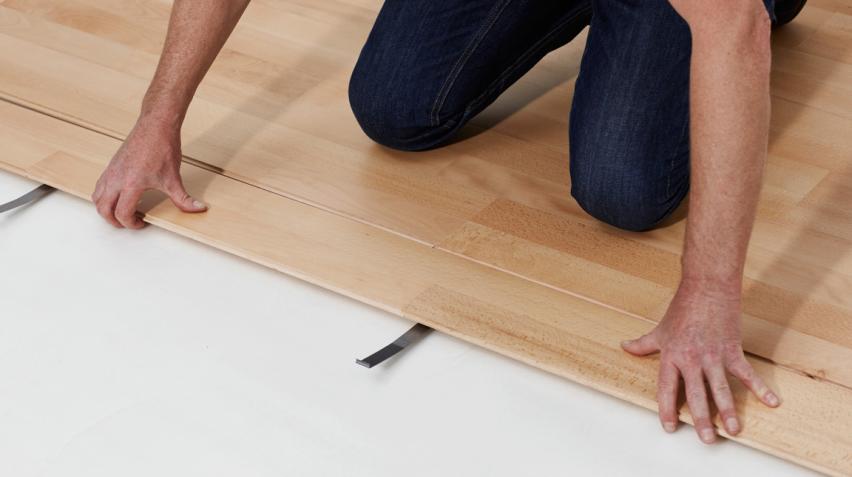
Material choice affects the sound, feel and long-term performance of a portable tap dance floor. Solid hardwood is a practical choice where the floor must support tap sound, repeated impact, frequent handling and long-term use.
Solid hardwood
- Supports a crisp acoustic response for tap
- Provides a firm and stable surface feel
- Can be suitable for repeated installation and transport
- Can be maintained and refurbished over time
Other temporary materials
- Plastic or vinyl tiles may be easier to move, but can reduce sound quality
- Laminate surfaces can wear quickly under intensive tap use
- Soft surfaces can muffle sound and reduce precision
Portable vs fixed tap dance flooring
The right choice depends on the project, the venue and how often the floor needs to move. A portable tap floor is useful when flexibility is important, while a fixed floor is normally better for a dedicated long-term dance space.
Choose portable when
- The floor needs to be installed, removed or stored between uses
- The venue is used for touring productions, competitions or events
- The same floor may need to be reused in different locations
- A school, theatre or multi-use space needs flexibility
Choose fixed when
- The space is a dedicated dance studio, theatre or rehearsal room
- Tap dance is a regular activity in the venue
- The floor is part of a permanent building specification
- Long-term performance and maintenance are the main priority
For a wider overview of floors for studios and movement spaces, visit Junckers’ dance flooring section.
When to choose a general portable dance floor instead
A general portable dance floor may be more suitable when the space is used for several dance styles and tap is only one of many activities. In that case, the floor needs to support broader dance use, including comfort, stability, movement and safe surface friction. If tap is the main activity, sound response and surface firmness should be considered more carefully. If the space is used for mixed dance classes, temporary events or multi-purpose performance, a broader portable dance floor specification may be the better fit.
Portable hardwood floor systems for tap dance use
Once the main tap dance requirements are clear, the next step is to compare portable hardwood floor systems that match the venue and use case. For tap, the floor should support clear sound, repeated impact, controlled movement and practical handling during installation, transport and storage.
Junckers offers portable sports floor systems that may be relevant where a removable or reusable hardwood floor is needed for dance spaces, schools, events or temporary performance areas.
Pro Complete 44 | Portable Floors
Preassembled panels with pre-attached sleepers for projects where handling, installation and storage are important.
View Pro Complete 44 portable floorArena Master | Portable Floors
A portable wood floor system for venues that need stable performance and repeated installation.
View Arena Master portable wood floor
Durability and maintenance for temporary dance floor installations
A portable tap dance floor must withstand frequent assembly, disassembly and transport. Regular cleaning, inspection and correct storage help protect the surface, maintain grip and support long-term use.
- Sweep or vacuum after use to remove dust and debris
- Clean with suitable products for hardwood sports floors
- Store panels in a dry, stable environment between uses
- Inspect the floor regularly for wear, damage or installation issues
For advice on keeping a portable floor in good condition, see Junckers’ guide to cleaning and maintenance of portable sports floors.
Technical advice and specification support
For specification projects, review product documentation, installation guidance and maintenance requirements before the floor is chosen. Junckers’ technical advice can help with questions about product choice, installation and ongoing care.
Frequently Asked Questions About Hardwood Tap Dance Flooring
What makes solid hardwood a suitable portable tap dance floor material? add
Solid hardwood—such as beech, ash, or maple—provides the ideal combination of sound quality, surface control, and long-term durability for tap dancers. Unlike vinyl or laminate alternatives, a tap dance floor made from solid hardwood produces a crisp, resonant tone and consistent surface friction. It also withstands repeated assembly, disassembly, and transport, making it the best portable tap dance floor for professional use. Hardwood panels can even be sanded and refinished, ensuring decades of reliable performance.
How do I choose a temporary dance floor that supports both safety and performance? add
When selecting a temporary dance floor for tap, prioritize systems that comply with EN 14904 standards for shock absorption, slip resistance, and energy return. A high-quality portable dance floor tap system—like Junckers’ Pro Complete 44 or Arena Master—combines engineered shock absorption with stable, non-slip construction. This reduces fatigue and injury risk while maintaining the firm, responsive surface tap dancers need for precise rhythm and sound clarity.
How do I maintain and extend the lifespan of my portable tap dance floor? add
To preserve sound quality and surface condition, clean your portable tap dance floor regularly with a hardwood-safe cleaner and avoid excessive moisture. Sweep or vacuum after each use to remove debris, and store panels in a dry, stable environment to prevent warping. Junckers’ solid hardwood systems can be lightly sanded and refinished when needed—ensuring both the tone and appearance remain as professional as the day they were installed.